Learn from the Pros
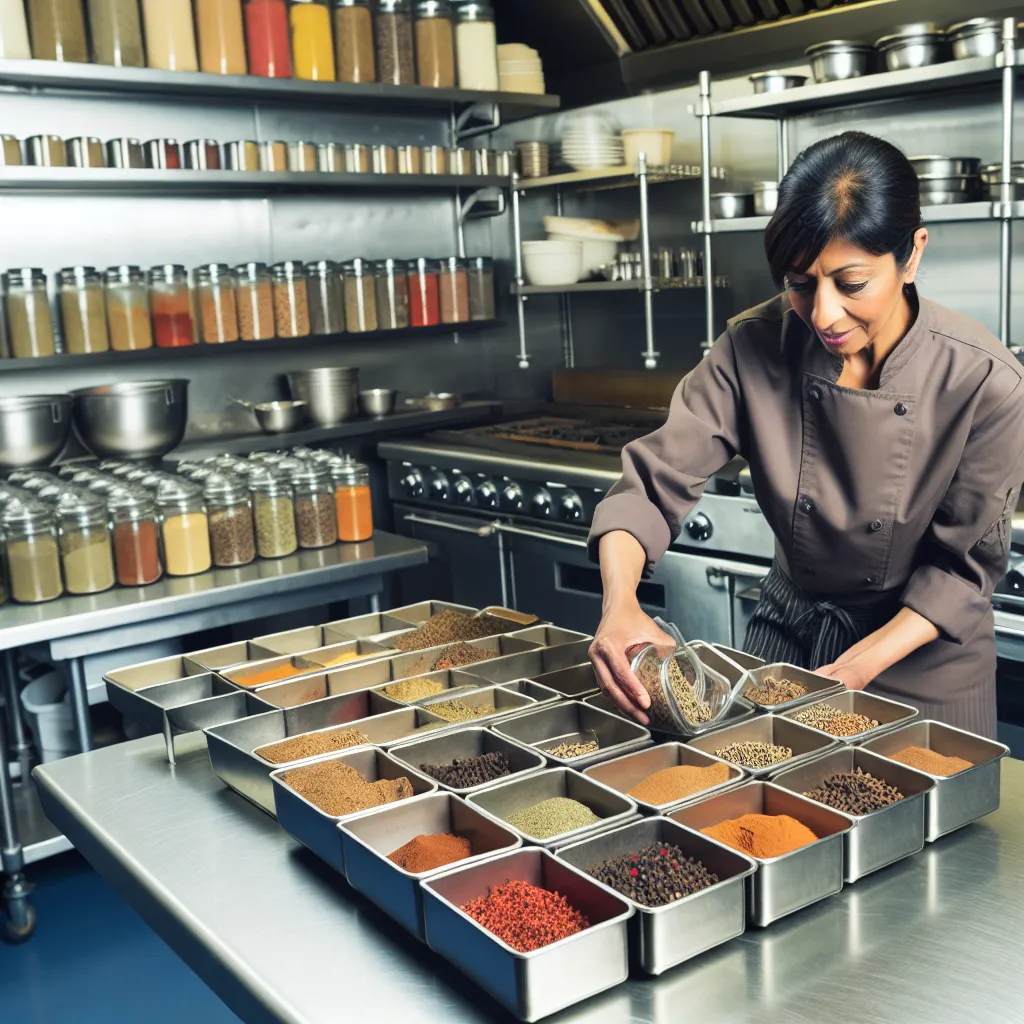
Professional chefs rely on impeccable spice organization for efficient service. These tested strategies can elevate your home cooking experience.
🔥 The "Hot Zone" Principle
Professional kitchens organize by station proximity. Apply this at home by keeping your most-used spices within arm's reach of your stove.
Hot Zone (next to stove): Salt, pepper, garlic powder, paprika, chili flakes
Prep Zone (near cutting board): Fresh herb alternatives, citrus seasonings
Baking Zone (near mixer): Cinnamon, nutmeg, vanilla, baking spices
⚖️ Portion Control Containers
Chefs use small "mise en place" containers to pre-measure spices for recipes. Adopt this practice for complex dishes that require multiple seasonings.
- Use small glass or metal pinch bowls (2-4 oz capacity)
- Pre-measure all spices before you start cooking
- Arrange in order of use for seamless execution
- This prevents over-seasoning and missed ingredients
🌡️ Toast for Maximum Flavor
Professional technique: briefly toast whole spices in a dry pan before grinding. This releases essential oils and intensifies flavor exponentially.
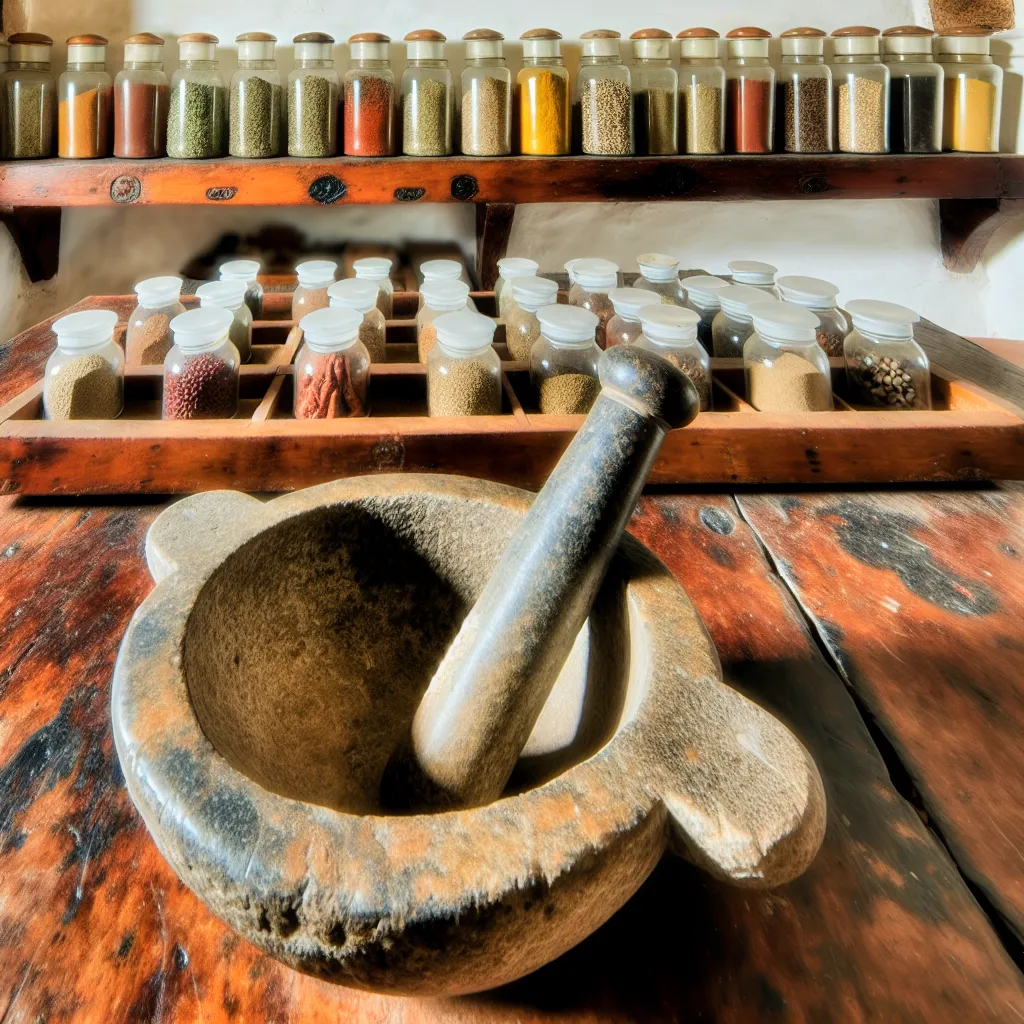
Best candidates for toasting: Cumin seeds, coriander seeds, fennel seeds, whole peppercorns, dried chiles
🔄 The Three-Tier System
Restaurant kitchens maintain three levels of spice inventory. Adapt this for serious home cooking:
Active Station
8-12 spices you use daily, kept in prime location near cooking surface
Reserve Stock
Full collection in main storage, organized systematically for easy restocking
Backup Supply
Sealed bulk quantities of frequently used items stored separately to refill reserve
📝 Recipe Cross-Reference System
Professional pastry chefs keep spice index cards listing which recipes use each spice. Implement digitally with notes app or on label backs.
Example: On your cardamom label, note "Chai blend, Swedish buns, rice pudding" for quick recipe recall.
🧪 Quality Testing Protocol
Chefs never trust old spices during service. Implement this weekly quality check:
- Rub small amount between fingers
- Immediate strong aroma = good quality
- Weak or no scent = replace immediately
- Never gamble on questionable spices in important dishes
⚡ Speed Seasoning Technique
Professional line cooks develop muscle memory for seasoning. Practice the "pinch and sprinkle" technique from consistent height (about 12 inches above food) for even distribution.
Pro Tip: Keep frequently used spices in wide-mouth containers that allow three-finger pinches. This is faster and more precise than shaking from small holes.
🎯 The "Clean as You Go" Rule
Professional kitchens maintain spotless spice areas. After each cooking session:
- Wipe down all containers immediately
- Return each spice to its designated spot right away
- Never leave loose spices on counters
- Clean spills before they harden or stain
Think Like a Chef
The difference between home and professional kitchens isn't just equipment—it's organization, discipline, and respect for ingredients. Adopt these practices and watch your cooking efficiency transform.