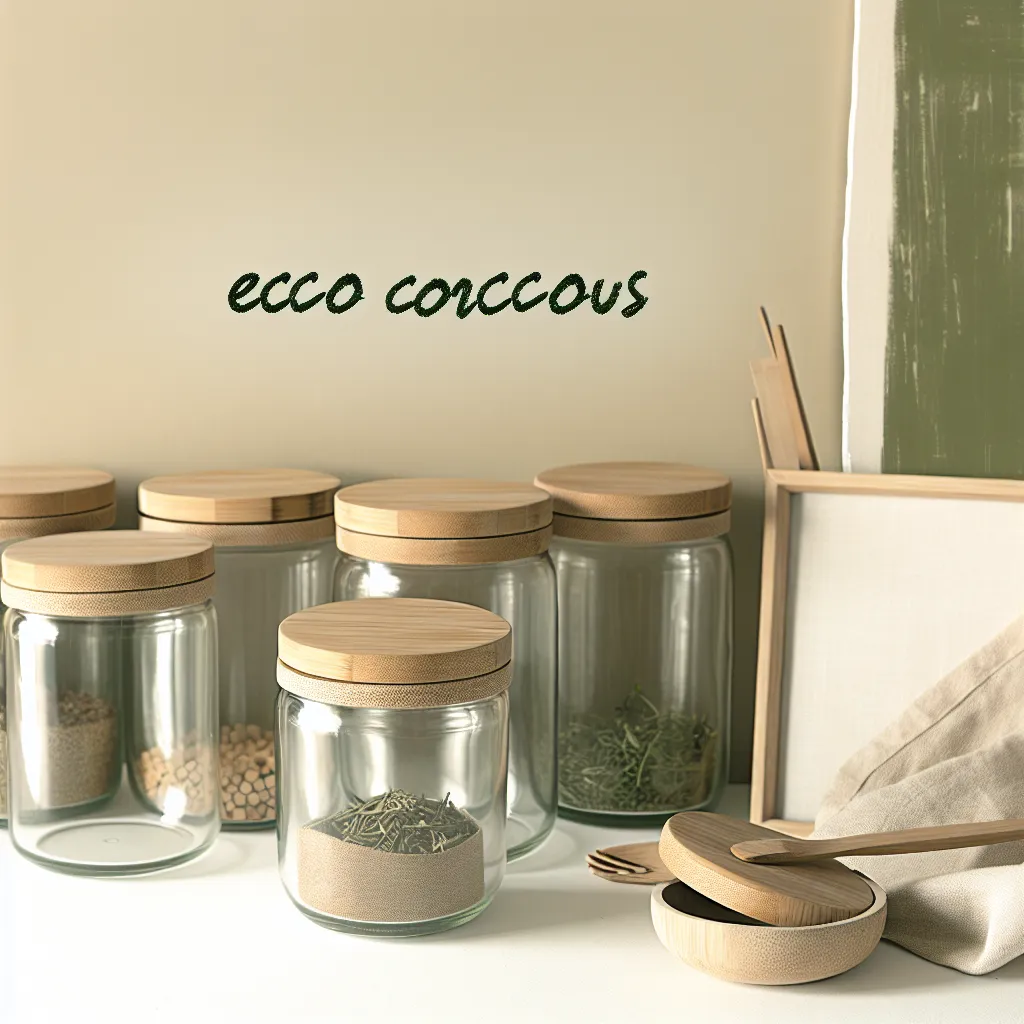
Organize Responsibly
Sustainable spice organization reduces waste, supports ethical sourcing, and creates a healthier kitchen environment for your family and the planet.
♻️ Choose Reusable Containers
Invest in high-quality glass jars with airtight lids that will last for decades. Glass is non-toxic, doesn't absorb odors, and can be cleaned and reused infinitely.
Best Sustainable Container Options:
- Mason jars (can repurpose from other food items)
- Recycled glass spice jars with bamboo lids
- Stainless steel containers (for non-transparent storage)
- Ceramic jars with cork stoppers
🛍️ Buy in Bulk to Reduce Packaging
Purchase spices from bulk bins or order larger quantities online. This dramatically reduces single-use packaging waste while often saving money.
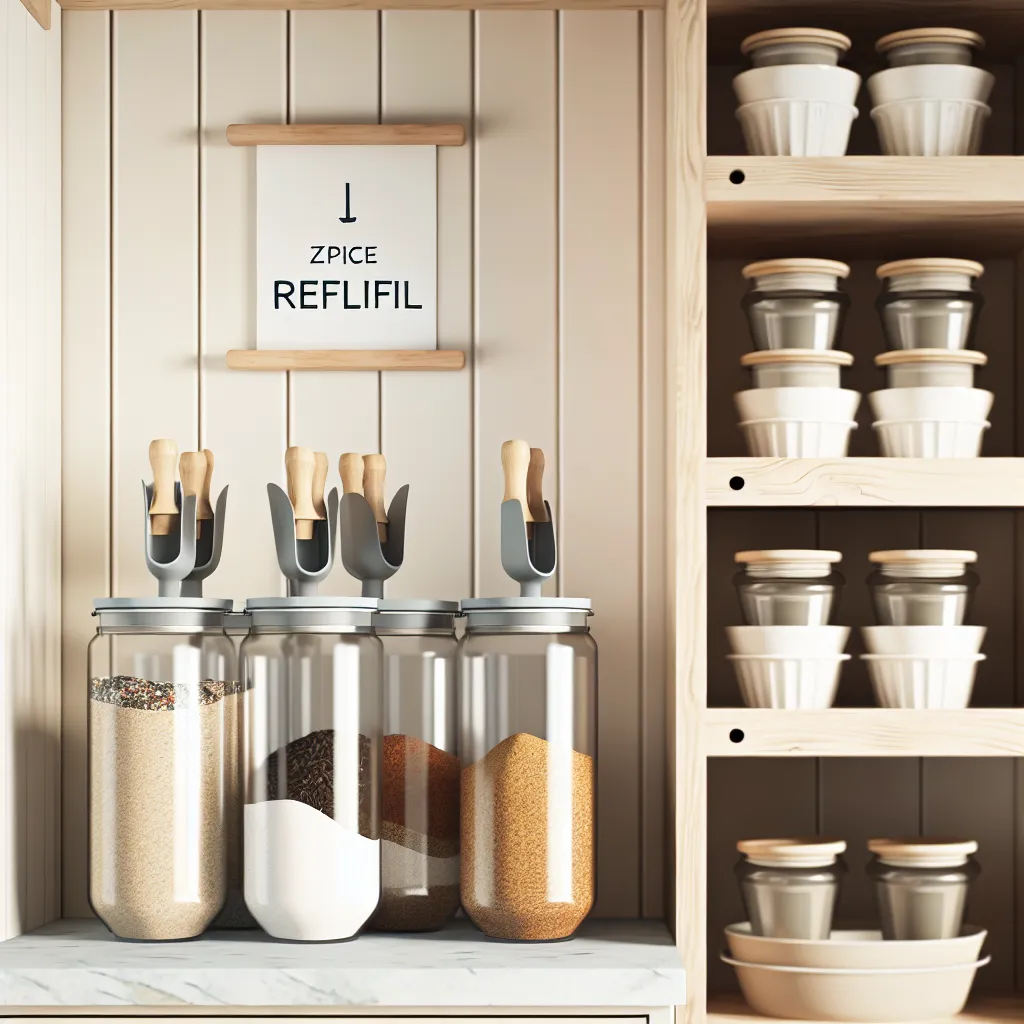
Pro Tip: Bring your own containers to stores with bulk sections. Many shops offer discounts for this eco-friendly practice.
🌱 Source Ethically and Locally
When possible, purchase spices from ethical suppliers who support fair trade practices and sustainable farming methods.
Look For:
Fair Trade certified, Organic certifications, Local herb growers, Direct-from-farm suppliers
Avoid:
Excessive plastic packaging, Unknown sourcing, Brands with questionable labor practices
🌿 Grow Your Own Herbs
Many common cooking herbs can be easily grown in pots on a sunny windowsill or small outdoor space. This eliminates packaging entirely while providing the freshest possible seasonings.
Easy to Grow:
- Basil
- Mint
- Parsley
- Cilantro
- Thyme
- Rosemary
- Oregano
- Chives
♻️ Proper Disposal and Composting
When spices pass their prime, don't throw them in the trash. Old spices can be composted or repurposed.
Alternative Uses for Old Spices:
- Add to compost pile (they break down quickly)
- Mix into homemade potpourri
- Use in craft projects like scented sachets
- Sprinkle in garden to deter pests naturally
- Make natural cleaning scrubs (cinnamon, cloves)
💡 Energy-Conscious Storage
Smart storage locations reduce waste by naturally extending shelf life without requiring special equipment.
- Store in naturally cool areas to avoid artificial cooling needs
- Use existing dark cabinets rather than buying light-blocking containers
- Group spices together—their collective moisture creates micro-climate
- Avoid locations near heat-generating appliances to prevent premature degradation
Small Changes, Big Impact
If every household reduced spice packaging waste by just 50%, millions of pounds of plastic and cardboard could be diverted from landfills annually. Your organized, sustainable spice collection makes a real difference.